12/15/2024
The most unpleasant RV owner task is undoubtedly sewer waste management. This is especially true while driving around. To prevent the environment from getting dirty, you will have to get the right sewer hose for your motorhome. The market is flooded with a variety of options when it comes to RV sewer hoses. However, this can be quite a daunting task. Do not worry anymore; this informative guide has got you covered. You will learn the factors that one has to check such as the strength, size, compatibility, and also the application of the hose. After reading this article, you will be able to acquire a sewer hose that suits you best and once you have that, waste disposal will be pretty straightforward. Whether you are a wholesale distributor, a factory-direct buyer, or a dedicated RVer, selecting a high-performance RV sewer hose is very crucial. According to industry data, approximately 35% of black tank mishaps are attributed to preventable hose failures, such as pinhole leaks or connection ruptures.
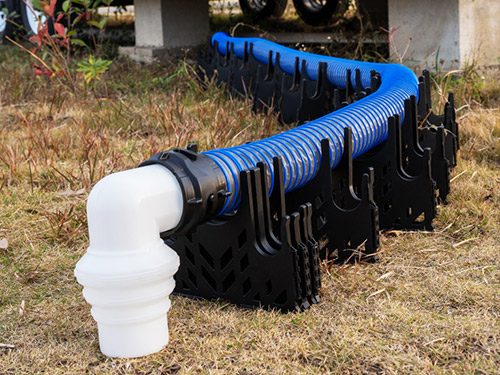
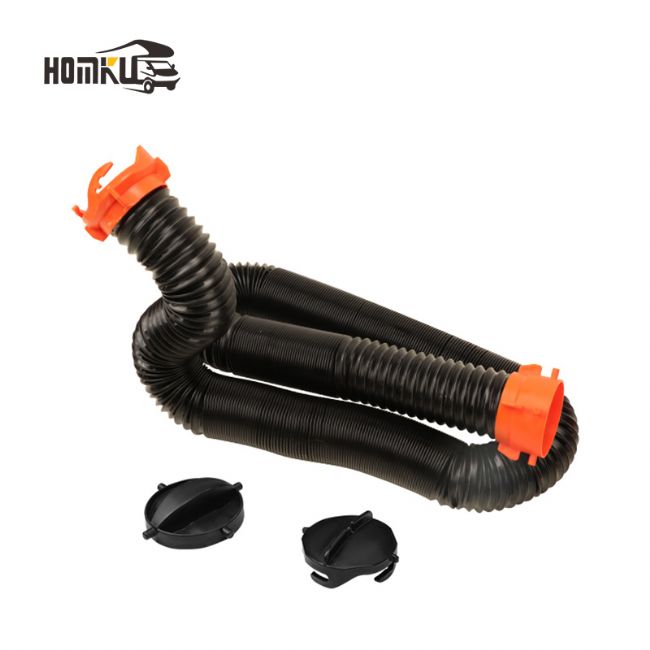
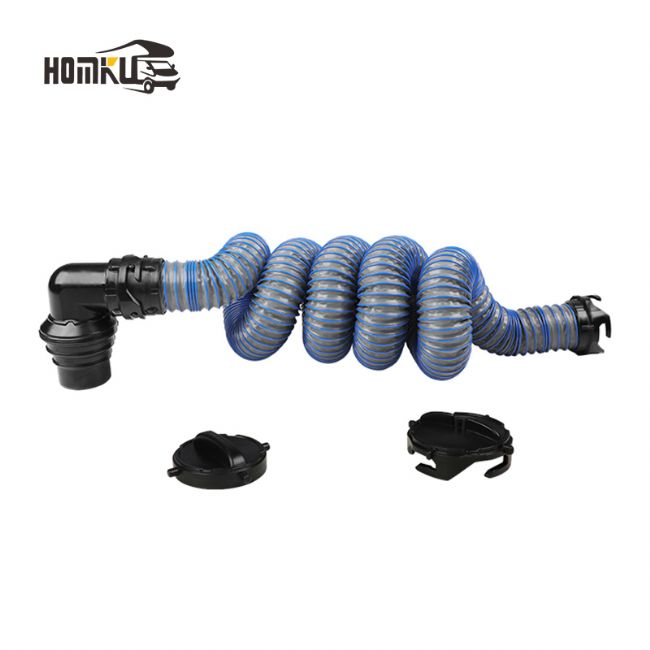
There are two principal types of RV sewer hoses: rigid and flexible. Each has its own pros and cons, so make sure to consider them all.
Rigid RV Sewer HosesHowever, rigid hoses are not suited for tasks that require working in tight spaces or have a unique dump setup.
Flexible RV Sewer HosesThe drawbacks of these hoses are that they may sag more than necessary and have a shorter durability period than their counterparts.
Choosing Between Rigid and FlexibleWhen deciding what RV sewer hose kit to purchase, several important features can enhance your experience. Let us look into the features distinguishing high-quality RV sewer hoses.
Durability and MaterialThe construction of your RV sewer hose significantly impacts activity and usage. Reinforced polyethylene and vinyl, for example, are the two materials. These materials help protect against severe temperatures, ultraviolet radiation, and punctures, enabling them to function in a variety of challenging conditions and adverse weather conditions.
Length and FlexibilityThe ideal RV sewer hose should be long and flexible. Most RVers will tell you that a hose 15 to 20 feet long is ideal in most situations. Choose flexible or collapsible hoses so they can be stored in a small space.
Secure ConnectionsOne of the most important factors to consider when picking an RV sewer hose extension is its leakproof connections. To lock into place, pay attention to hoses with twisted bayonet fittings. Some models have transparent elbow connectors, which make it easier to see whether the tank is empty and simplify the discharge process.
Ease of Use and StorageIt is important to assess whether the hose will be easy to operate and store during transportation. Components such as rotating fittings can eliminate kinks on hoses, making it easier to set up the equipment. In addition, a bag or caps designed specifically for storing a hose or other equipment can prevent the accumulation of dirt, unpleasant smells, and more.
Thickness and Crush ResistanceCertain things should be done to ensure your RV sewer hose is in proper condition, including regular maintenance and management. By adhering to the good practices outlined here, you can avoid nasty surprises during your trips.
Cleaning and DisinfectingPlus, a mixture of bleach and water can always come in handy. Consider using one part bleach to ten parts of water. Pass this mixture through the hose and let the mixture sit for a few minutes. Once adequate time has passed, rinse the hose with clean water. This process will prevent bad odor in the future and eliminate bacteria.
Proper Storage TechniquesEnsure the hose dries completely before storing to prevent mold from developing. If possible, place the hose at a temperature-controlled site with dry settings, and do not expose it to the sun, as the sun can deteriorate the material over time.
Regular InspectionsDepending on their usage and the care given to them, sewer hoses used on RVs can last for a while. Considering a replacement after 1-3 years is standard practice while also keeping an eye on the general state of the hose. Inspection of a hose pre-usage is vital, especially if there are any signs of cracks, leakage, or wear. The hose’s lifetime can increase widely with the right techniques and proper handling.
Can I use a regular garden hose for RV waste?Anyone getting an RV should not use garden hoses, as they are not designed for RVs and can be a safety hazard due to contamination. Sewage disposal must be done with a quality-made RV sewer hose, which does exactly that while also helping control foul odors. Proper RV hoses, according to the requirements set out by the campground, will safely manage the waste.
Are all RV sewer hoses universal in size?While the standard RV sewer hose diameter is 3 inches, fittings and connections can vary. Before purchasing, it's essential to check your RV's specific requirements. Some newer RVs may have a 4-inch outlet, requiring an adapter. Always measure your RV's sewer outlet and consider any potential campground connections to ensure compatibility.
How long should my RV sewer hose last?The following is a list of related products you might be interested in.
RV sewer hose is one of the essential practical products for RV owners. This product is designed to help you manage waste disposal during travel more...
Learn More...TPE RV sewer hose is a very practical product that can help you treat sewage more conveniently. This product is made of high-quality thermoplastic...
Learn More...Homku is a subsidiary of Homful Group. We are committed to providing high-quality RV parts products. Please contact us through the form below or email to inquire about the products you are interested in. Our customer service will answer your questions within 24 hours.
Homku
6F, No.10, Jinshan 9 Road, Ninghai County, Ningbo City, Zhejiang province, China
customer03@homful.net
86-15805744037
Tel
0574-65288717